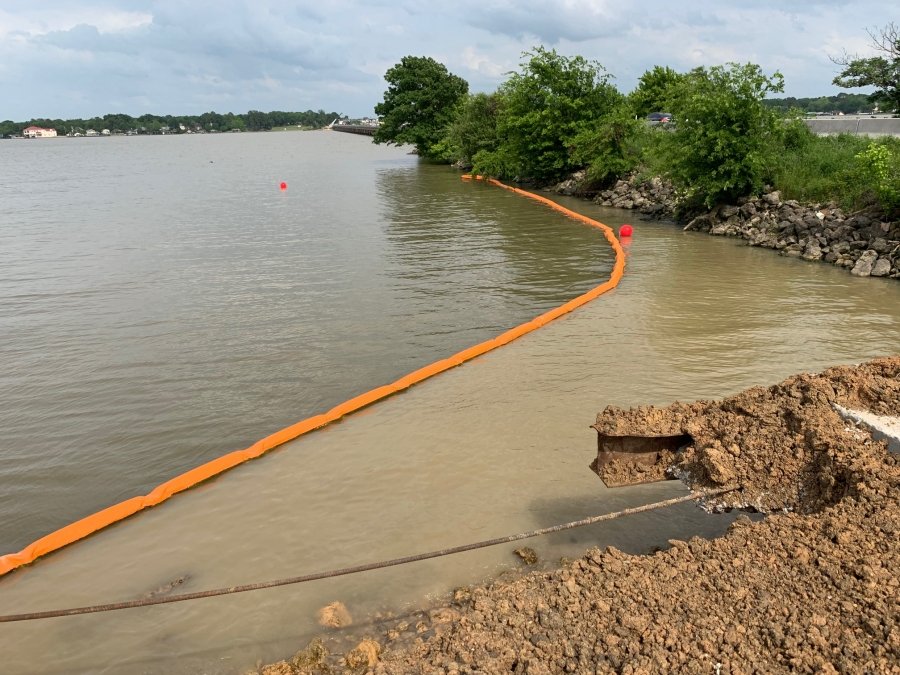
Why Silt Curtains Fail: 7 Critical Design and Installation Mistakes to Avoid
Silt Curtains play a critical role in controlling sediment dispersion during marine construction, dredging, reclamation, shoreline protection, bridge construction, and waterfront development projects. When properly designed and installed, they help contain suspended sediments, protect sensitive aquatic environments, and support compliance with environmental regulations.
However, not all Silt Curtain installations perform as expected.
In many projects, reduced effectiveness is not caused by the curtain itself but by design, installation, or operational errors that allow sediment to bypass the containment system.
Understanding the most common causes of Silt Curtain failure can help project owners, consultants, and contractors improve performance and reduce environmental risks.
1. Selecting the Wrong Type of Silt Curtain
One of the most common mistakes is using a curtain type that is unsuitable for site conditions.
Different environments require different Silt Curtain configurations. A protected lagoon, for example, has very different hydraulic conditions compared to an open coastal construction site exposed to waves and tidal currents.
Selecting a curtain without considering water depth, current velocity, wave action, and project duration can significantly reduce performance.
2. Underestimating Current Velocity
Current velocity is one of the most important design parameters.
When water currents exceed the design limits of a Silt Curtain, the fabric may deflect excessively, creating gaps beneath the skirt and allowing sediment to escape.
High currents can also increase loads on flotation systems, anchors, and connection points, potentially leading to structural failure.
Site-specific current assessments should always be conducted before selecting a curtain system.
3. Inadequate Anchoring Systems
Even a high-quality Silt Curtain can fail if it is not properly anchored.
Insufficient anchor weight, incorrect anchor spacing, or poor anchor placement can result in movement, deformation, or displacement of the curtain.
Anchoring systems should be designed based on site-specific conditions, including water depth, currents, wave exposure, and anticipated environmental loads.
4. Incorrect Skirt Depth
A common misconception is that deeper skirts always provide better sediment containment.
While deeper skirts may improve containment in some situations, they also experience greater hydrodynamic loading and may be more susceptible to deflection in strong currents.
The optimal skirt depth should balance sediment containment requirements with hydraulic performance and site conditions.
5. Poor Installation Practices
Improper deployment can significantly reduce curtain effectiveness.
Common installation issues include:
Twisted curtain panels
Uneven flotation alignment
Incorrect overlap connections
Insufficient tensioning
Improper anchoring geometry
Even minor installation errors can create pathways for sediment migration.
A structured installation procedure and experienced deployment team are essential for achieving optimum performance.
6. Failure to Inspect and Maintain the System
Silt Curtains are often exposed to challenging environmental conditions throughout a project.
Over time, flotation units, connectors, ballast chains, anchor lines, and fabric panels may experience wear and damage.
Routine inspections help identify issues before they compromise sediment control performance.
Inspection programs should be implemented throughout the project lifecycle, particularly after storms or periods of high current activity.
7. Ignoring Site-Specific Environmental Conditions
Every project site presents unique challenges.
Factors such as tidal fluctuations, wave climate, seabed conditions, vessel traffic, and seasonal weather patterns can all influence Silt Curtain performance.
A design that performs well in one location may not be suitable for another.
Successful sediment containment requires a site-specific engineering approach rather than a one-size-fits-all solution.
The Importance of Proper Silt Curtain Design
Effective sediment control begins long before installation.
Proper Silt Curtain selection should consider:
Water depth
Current velocity
Wave conditions
Project duration
Environmental sensitivity
Regulatory requirements
Anchoring requirements
Installation methodology
When these factors are carefully evaluated, Silt Curtains can provide reliable sediment containment and environmental protection throughout the construction process.
As marine construction and environmental regulations continue to evolve, selecting the right Silt Curtain system and ensuring proper deployment remain critical to project success.